
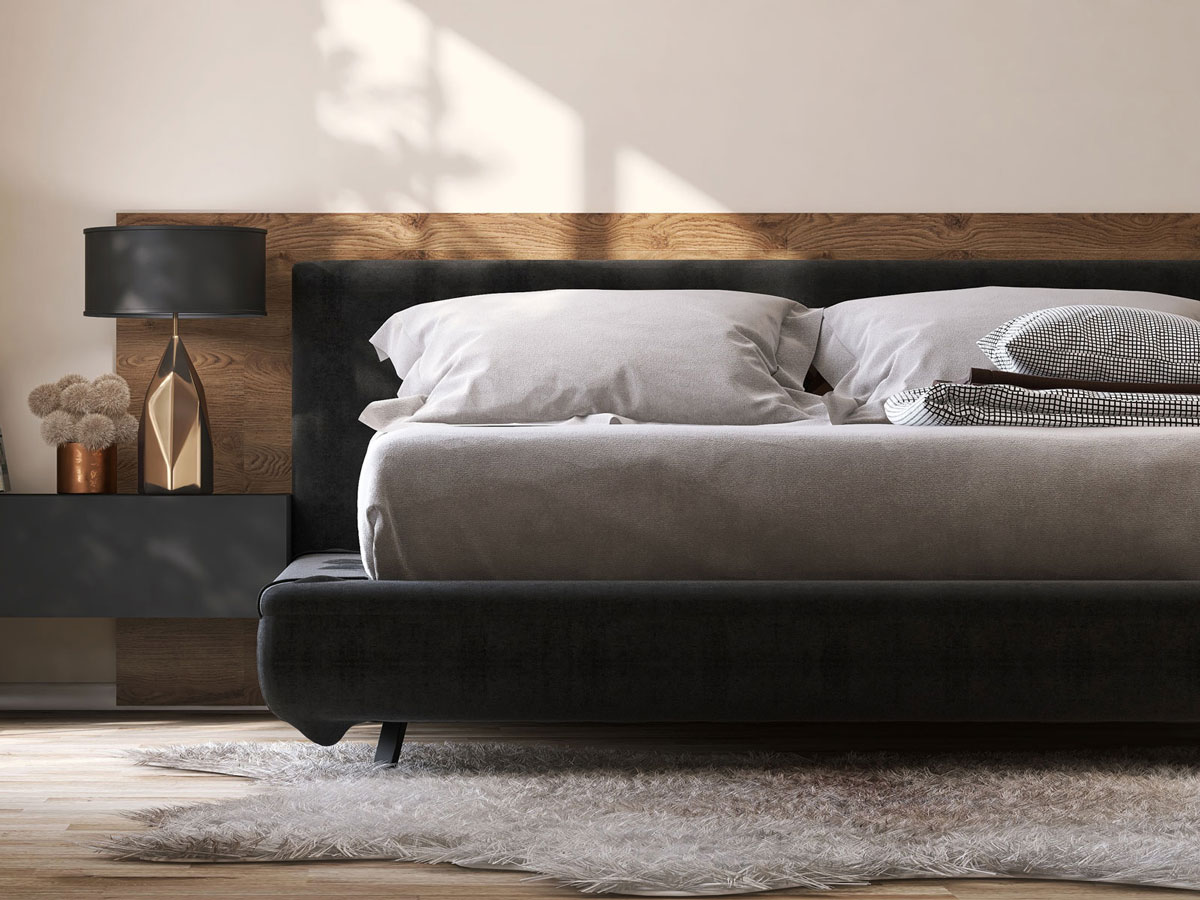


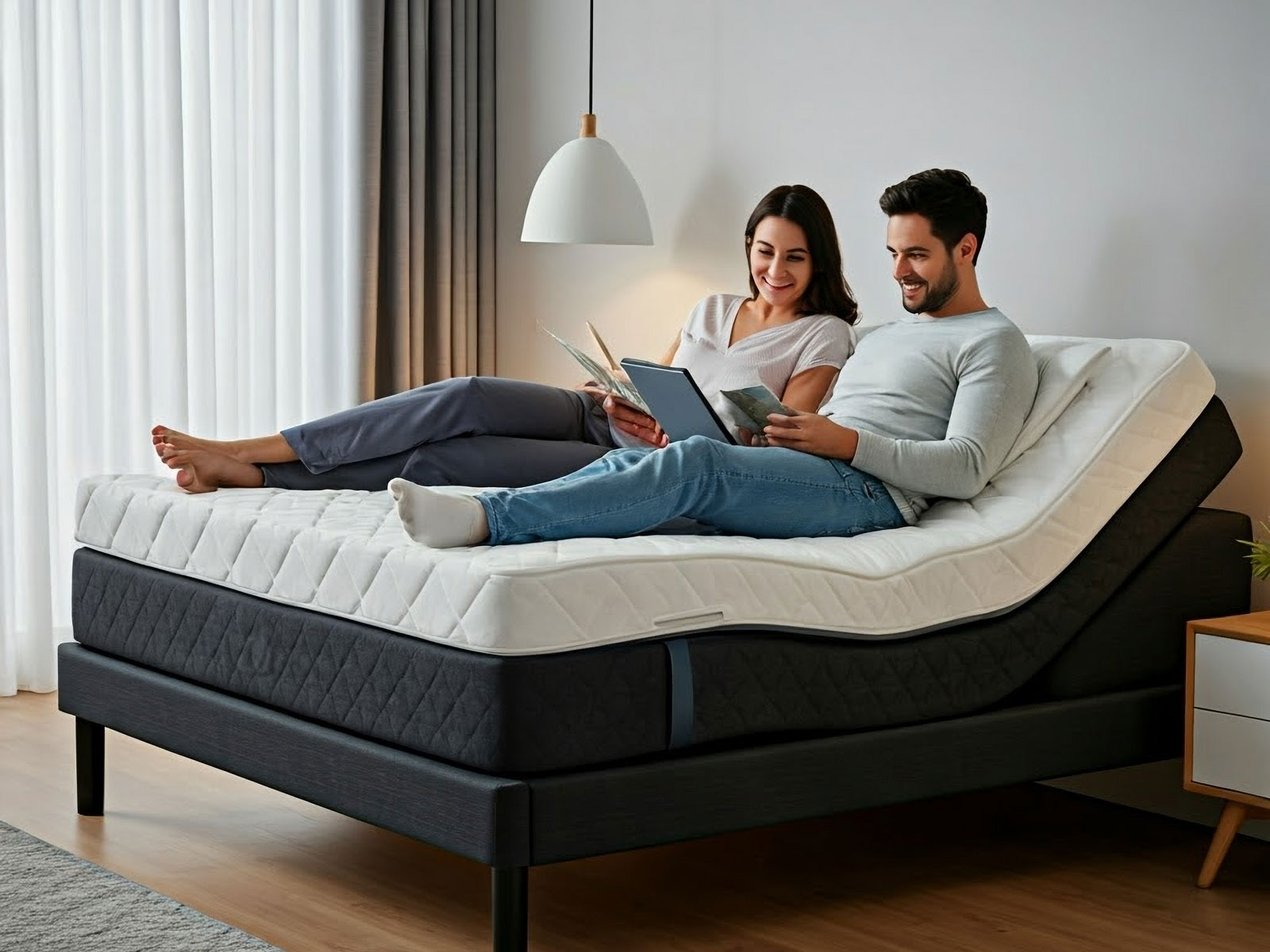
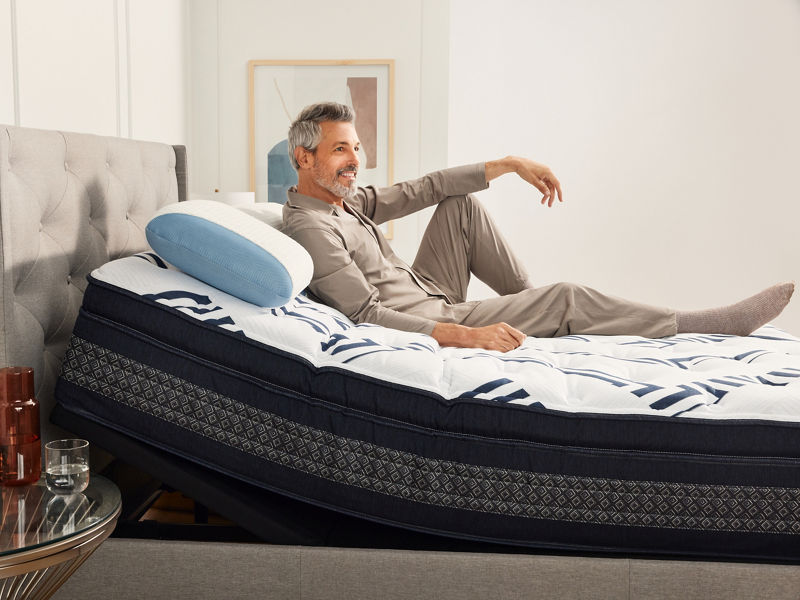

Memory foam mattresses last 8–10 years on average. Longevity depends on foam density, usage, and care. To make yours last longer, rotate regularly, use a mattress protector, and keep it clean and supported. Replace it when sagging, odors, or poor sleep quality appear.
Your mattress does more than just cradle you to sleep — it supports your posture, spine, and recovery every night. Over time, even the best memory foam mattress can lose its bounce and comfort. So how long does it really last, and what can you do to keep it feeling brand new?
In this guide, we’ll explore the average lifespan, the key factors that affect durability, and practical tips to extend your mattress’s life — so you can rest easy for years to come.
Average Lifespan of a Memory Foam Mattress
Memory foam mattresses typically last between 8 to 10 years, but this can vary based on several factors. The quality of the materials used, the density of the foam, and how well the mattress is maintained all contribute to its longevity.
For comparison, some people wonder, Is it OK to have a mattress for 20 years? While possible with minimal use, most mattresses lose comfort and support long before that.
Comparison: Memory Foam vs Other Mattress Types
When comparing memory foam to other mattress types, it generally holds up quite well. Here’s a brief overview:
| Mattress Type | Average Lifespan |
| Memory Foam | 8-10 years |
| Innerspring | 5-7 years |
| Latex | 10-15 years |
| Hybrid | 6-8 years |
As seen in the table, memory foam mattresses tend to outlast traditional innerspring mattresses but may not last as long as high-quality latex options. For more details on different types, explore our mattress collection.
What Affects Memory Foam Mattress Durability?
Several key factors can significantly impact how long your memory foam mattress will last.
Foam Density
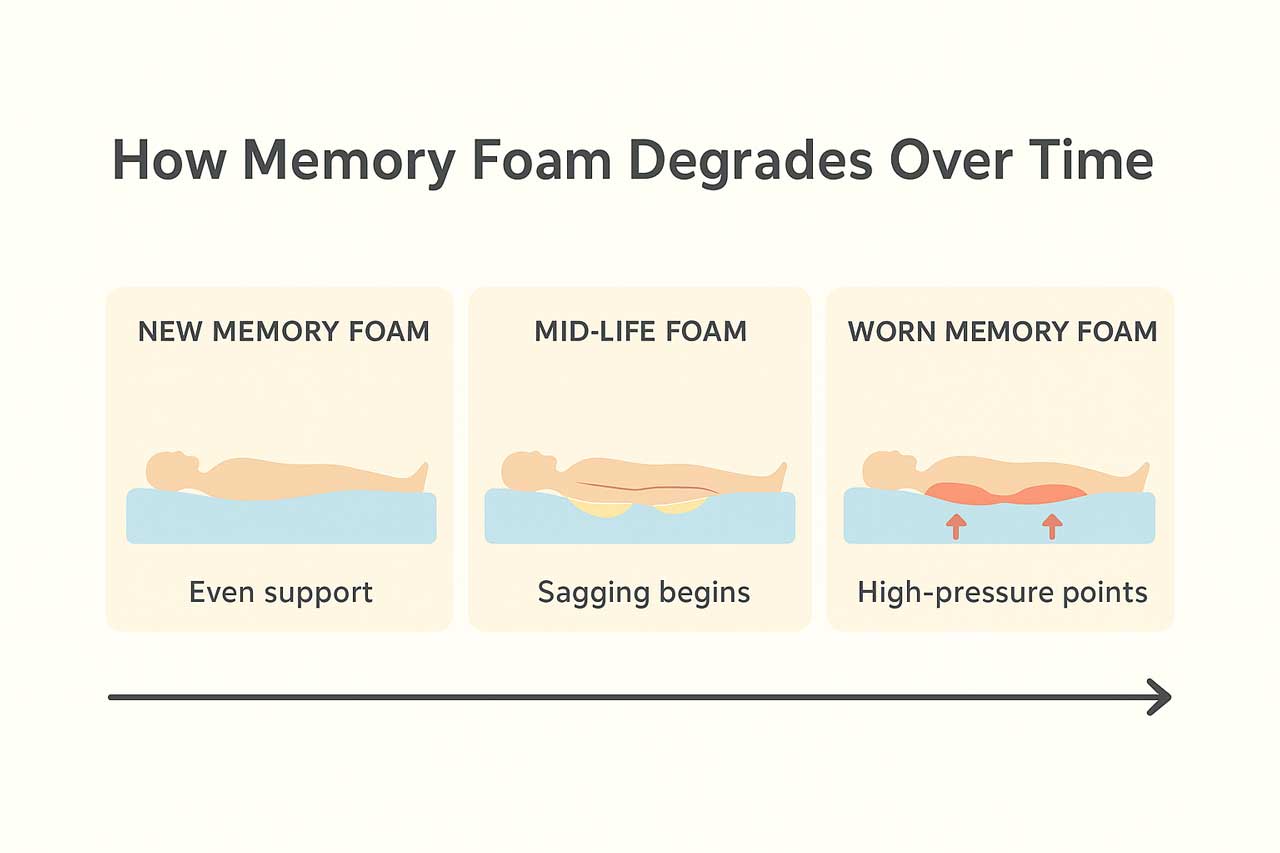
The density of the foam is one of the most critical factors. Higher density foam tends to be more durable and resistant to sagging. A mattress with a density of 4 pounds per cubic foot or more is generally considered high-quality and will likely last longer than lower-density options.
Frequency of Use
How often the mattress is used also plays a role. A mattress that serves as the primary bed will experience more wear and tear compared to one used occasionally, such as in a guest room.
Body Weight and Sleep Position
Heavier individuals may compress the foam more quickly, leading to a shorter lifespan. Additionally, sleep position matters; side sleepers may create more pressure points than back or stomach sleepers, potentially affecting the mattress's durability.
Foundation Quality
A sturdy base makes all the difference. Avoid sleeping directly on the floor — it’s generally not healthy to sleep on a mattress on the floor as it reduces airflow and can trap moisture. Instead, use a supportive bed frame or platform base.
Climate and Humidity
High humidity can cause foam to degrade faster or promote mold. Proper ventilation and a quality mattress protector help reduce these risks.
Signs It’s Time to Replace Your Mattress
Recognizing when it’s time to replace your mattress is essential for maintaining good sleep quality. Here are some signs to watch for:
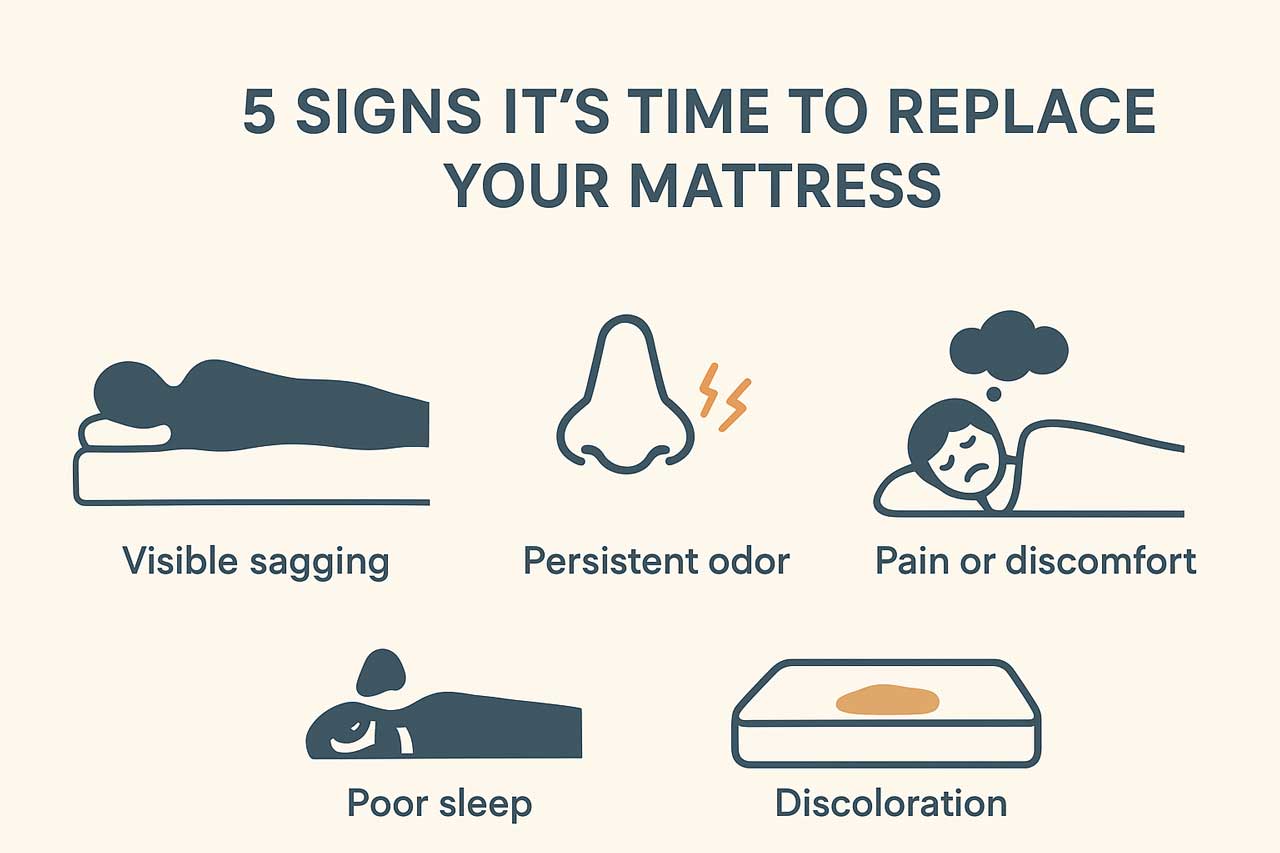
Visible Sagging or Body Impressions
If your mattress dips or shows deep impressions, it’s losing support — a clear sign it’s time for a new one. Read more about the signs you need a new mattress.
Poor Sleep Quality or Morning Aches
Frequent aches and pains upon waking can signal that your mattress is no longer providing adequate support.
Poor Sleep Quality
If you find yourself tossing and turning or waking up frequently during the night, it may be time to evaluate your mattress.
Odors, Discoloration & Allergies
A persistent odor or discoloration can indicate that the mattress has absorbed moisture and bacteria, which can affect your health. Using a waterproof mattress protector prevents this from happening.
Increased Allergy Symptoms
If you notice a rise in allergy symptoms, it could be due to dust mites or allergens trapped in the mattress, suggesting it may need replacing. Learn why it’s important in our guide - What Happens If You Neglect Using a Mattress Protector?
How to Make Your Memory Foam Mattress Last Longer
Taking proactive steps can significantly prolong the lifespan of your memory foam mattress. Here are some effective strategies:
Rotate It Regularly
Rotating your mattress every 3 to 6 months can help distribute wear evenly and maintain its shape.
Use a High-Quality Mattress Protector
A good mattress protector shields against sweat, spills, and allergens — all of which can break down foam faster. Not sure how to care for one? Read Can Mattress Protectors Go in the Dryer?
Keep It Clean
Regular cleaning is essential. Vacuuming the mattress and spot-cleaning any spills can prevent the buildup of dust and bacteria.
Find out how often you should wash your bed sheets and when to replace your pillow for a fresher sleep environment.
Use the Right Foundation
Ensure that your mattress is placed on a suitable foundation that provides adequate support. A platform bed or slatted base can enhance airflow and reduce sagging.
Avoid Sitting on the Edges
Sitting on the edges of the mattress for extended periods can lead to premature wear. Try to avoid this habit to maintain the mattress's integrity.
Keep Pets Off the Bed
While it may be tempting to let pets share your bed, their weight and movements can contribute to wear and tear. Consider providing them with their own sleeping area.
Frequently Asked Questions
How can I tell if my memory foam mattress is worn out?
Look for sagging, yellowing foam, persistent odors, or poor sleep quality. These are signs that your mattress is losing its support.
Can I flip my memory foam mattress?
No, most memory foam mattresses are one-sided. Rotate instead of flipping to even out wear.
Do mattress toppers really extend lifespan?
Yes — they can add comfort and reduce direct wear on the foam, delaying replacement. However, avoid buying cheap mattresses, as they wear out faster.
Learn more about the disadvantages of cheap mattresses.
Replace or Refresh? How to Decide
Understanding when to replace your mattress versus when a simple refresh will suffice is crucial.
When It’s Time to Buy New
If your mattress exhibits significant sagging, persistent odors, or has lost its supportive qualities, it’s likely time for a replacement. Explore high-quality mattresses built to last.
Temporary Comfort Fixes
In some cases, a mattress topper or pad can provide temporary relief and restore comfort without the need for a full replacement.
Recycling & Donation Tips
When it’s time to say goodbye to your old mattress, consider recycling or donating it. Many organizations accept used mattresses, and some manufacturers offer recycling programs.
Final Thoughts: Investing in Restful Sleep
In summary, memory foam mattresses typically last between 8 to 10 years with proper care. Regular maintenance, such as rotating the mattress and using a protector, can significantly extend its lifespan. If you’re unsure whether it’s time for a new one, read What Are the Signs You Need a New Mattress? for guidance.
For those looking to enhance their sleep experience, exploring a selection of high-quality memory foam mattresses can be a worthwhile investment. A good night's sleep is essential for overall health and well-being, so take the time to ensure your mattress is up to the task.
For expert help choosing your next mattress, contact Mattress Mart or visit MattressMart.ca today.
Key Takeaways
- High-density memory foam = longer lifespan (10+ years possible).
- Innerspring mattresses wear out fastest (5–7 years).
- Regular rotation prevents uneven wear.
- Mattress protectors reduce allergens and stains.
- A sagging or smelly mattress = time for replacement.