



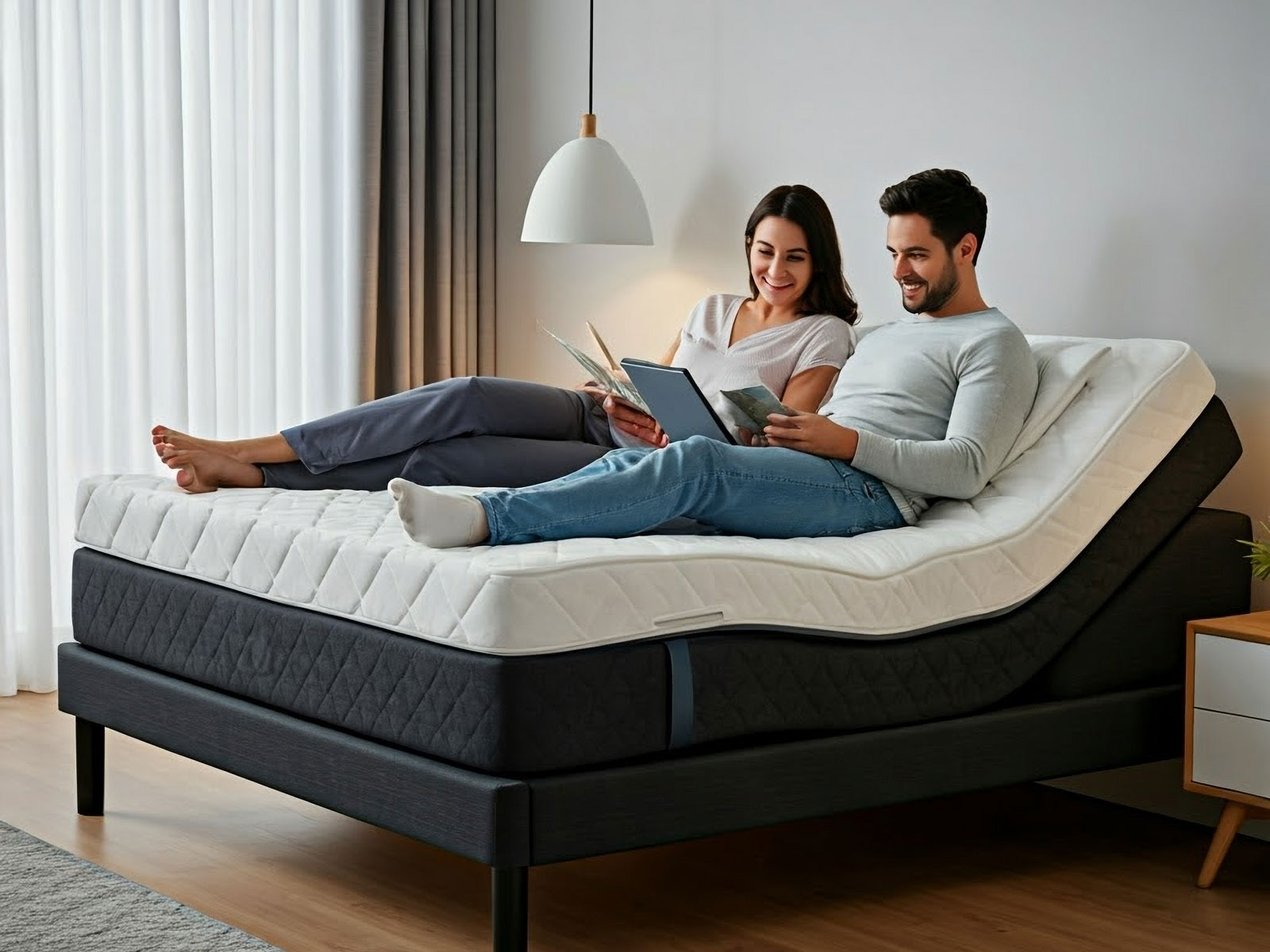
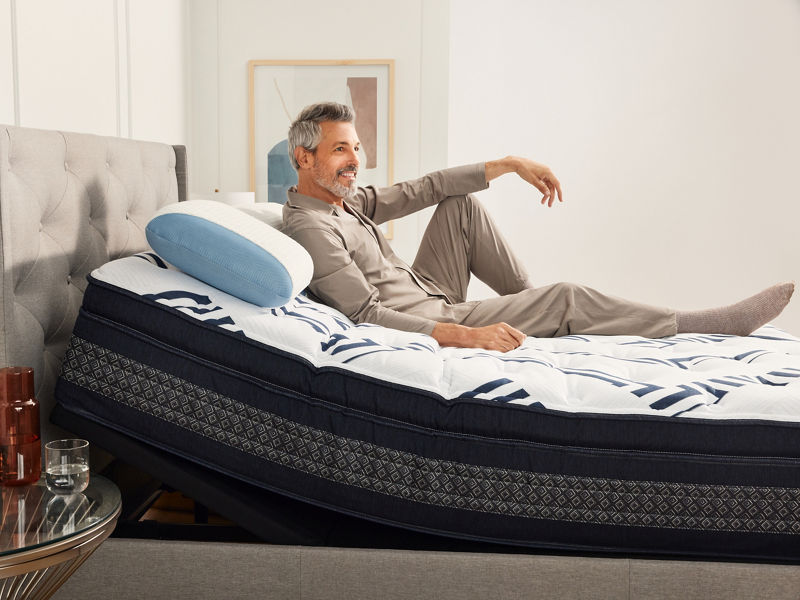

TL;DR:
Spring mattresses can be used on adjustable beds—but only certain types. Traditional innersprings usually don’t work, while pocketed coil and hybrid spring mattresses are generally compatible. Always check for “adjustable-base friendly” labels, mattress flexibility, and warranty rules before pairing.
Why Adjustable Beds Are Becoming So Popular
Adjustable beds have surged in popularity, offering a blend of comfort and health benefits that traditional beds often lack. These innovative sleeping solutions allow users to customize their sleeping positions, which can alleviate various health issues such as snoring, acid reflux, and back pain.
However, a common concern arises when considering the compatibility of spring mattresses with adjustable bases. Many people wonder, "Can I use a spring mattress with an adjustable bed?" This article aims to clarify this question and provide insights into the best practices for pairing these two components.
Learn more about how long adjustable beds last to maximize your investment.
Key Takeaways:
- Not all spring mattresses bend safely on adjustable bases.
- Pocketed coil and hybrid designs are the best spring-based options.
- Aim for 10–12 inches mattress thickness for flexibility.
- Bending a traditional spring mattress can damage coils.
- Always check the manufacturer’s warranty.
What Is an Adjustable Bed and How Does It Work?
Adjustable beds, also known as adjustable bases, are designed to elevate the head, feet, or both, allowing users to find their ideal sleeping or lounging position. These beds operate through a series of motors and joints that adjust the bed's shape, providing various functionalities:
- Head Lift: Elevating the upper body can help reduce snoring and improve circulation.
- Foot Lift: Raising the legs can alleviate pressure on the lower back and enhance comfort.
- Zero Gravity Position: This preset position elevates the legs slightly above heart level, simulating weightlessness and reducing spinal pressure.
Related: Unlock personalized comfort with our guide to adjustable bed bases
Why mattress flexibility matters:
The flexibility of the mattress is crucial when using an adjustable base. A mattress that bends easily will adapt better to the movements of the adjustable frame, ensuring comfort and support.
Types of Spring Mattresses
Spring mattresses, commonly referred to as innerspring mattresses, come in various designs, each offering distinct benefits and drawbacks:
- Traditional Innerspring Mattresses: These mattresses consist of a network of metal coils that provide support and bounce. However, they often lack the flexibility needed for adjustable bases.
- Pocketed Coil Mattresses: Featuring individually wrapped coils, these mattresses offer better motion isolation and flexibility. They can adapt more easily to the movements of an adjustable base, making them a more suitable option.
- Hybrid Mattresses: Combining foam layers with innerspring coils, hybrid mattresses provide the best of both worlds. They offer the support of springs while incorporating the comfort and adaptability of foam.
Understanding the differences between these types of spring mattresses is essential for determining their compatibility with adjustable beds.
Find out what thickness works best for an adjustable bed.
Fast Answer: Can Spring Mattresses Work on Adjustable Bases?
The compatibility of a spring mattress with an adjustable bed varies based on the mattress type:
- Traditional Innerspring Mattresses: Generally, these mattresses are not suitable for adjustable bases due to their rigidity.
- Pocketed Coil Mattresses: These may work with adjustable bases, but compatibility depends on specific design features.
- Hybrid Mattresses: Often, these mattresses are compatible with adjustable bases, providing both support and flexibility.
The key factor in determining compatibility is the mattress's ability to bend at hinge points without causing damage or discomfort.
Why Traditional Spring Mattresses Don’t Work Well
Traditional spring mattresses often fall short when paired with adjustable bases for several reasons:
- Lack of Flexibility: The rigid structure of traditional innerspring mattresses makes it difficult for them to adapt to the movements of an adjustable base.
- Risk of Damaging Coils: Bending a traditional spring mattress can lead to coil damage, compromising the mattress's integrity and support.
Warning: Never force an innerspring mattress into a deep bend. This can permanently deform the coils and void your warranty.
- Comfort Issues: As the mattress bends, it may create uncomfortable pressure points, leading to poor sleep quality.
- Warranty Problems: Many manufacturers void warranties if their mattresses are used on incompatible bases, leaving consumers unprotected.
These factors highlight the challenges of using traditional spring mattresses with adjustable beds.
When Spring Mattresses Can Work
Certain conditions can make a spring mattress compatible with an adjustable base:
- High Coil Count: Mattresses with a higher number of coils tend to be more flexible and can better accommodate the movements of an adjustable base.
- Pocketed Coils Instead of Bonnell Springs: Pocketed coils are designed to move independently, allowing for greater adaptability compared to traditional Bonnell springs.
- Thinner, More Flexible Profile: Mattresses that are thinner (typically 10-12 inches) are generally more suitable for adjustable bases, as they can bend more easily without damage.
- Hybrid Design: Hybrid mattresses that combine springs with foam layers often provide the necessary flexibility and support for adjustable bases.
If your spring mattress meets these criteria, it may be suitable for use with an adjustable bed.
Quick Win: If you love the feel of springs, choose a hybrid with pocketed coils and medium firmness — the most universally adjustable-friendly option.
Pros and Cons of Using a Spring Mattress on an Adjustable Bed
Pros
- Bounce: Spring mattresses offer a traditional bounce that many users find comfortable and familiar.
- Good Airflow: The coil structure allows for better airflow, helping to regulate temperature during sleep.
- Familiar Mattress Feel: For those accustomed to spring mattresses, using one on an adjustable base can provide a sense of comfort and familiarity.
Cons
- Limited Bending Ability: Many spring mattresses do not bend easily, which can restrict the range of positions achievable with an adjustable base.
- Wear & Tear: The repeated bending and flexing can lead to increased wear and tear on spring mattresses, potentially shortening their lifespan.
- Reduced Lifespan: The stress placed on coils during adjustments may lead to quicker deterioration compared to more flexible mattress types.
- Noise from Coils: Some spring mattresses may produce noise when adjusted, which can be disruptive to sleep.
Understanding these pros and cons can help consumers make informed decisions about their mattress choices.
Learn the disadvantages of cheap mattresses to avoid poor-quality spring options.
Best Alternatives to Spring Mattresses for Adjustable Beds
If a spring mattress isn't the right fit for an adjustable bed, several alternatives offer better compatibility:
| Mattress Type | Compatible With Adjustable Base? | Why / Why Not | Best For |
| Traditional innerspring | No | Rigid coil system; prone to coil damage | Budget shoppers, guest rooms |
| Pocketed coil | Sometimes | Independent coils = better flex | People who like bounce + movement isolation |
| Hybrid (foam + coils) | Yes | Foam layers increase flexibility | Most sleepers; best mix of comfort & support |
| Memory foam | Yes | Highly flexible; ideal for bases | Pressure relief seekers |
| Latex | Yes | Flexible + durable | Eco-friendly buyers; support lovers |
- Memory Foam: Known for its adaptability and pressure-relieving properties, memory foam mattresses conform well to adjustable bases.
- Latex: Natural latex mattresses provide excellent support and flexibility, making them a great choice for adjustable beds.
- Hybrid with Pocketed Coils: These mattresses combine the benefits of both foam and springs, offering flexibility and support.
Choosing one of these alternatives can enhance comfort and compatibility with adjustable bases.
Consider waterproof mattress protectors to enhance durability and comfort.
How to Choose an Adjustable-Base-Compatible Mattress
When selecting a mattress for an adjustable bed, consider the following tips:
- Look for “Adjustable-Base Friendly” Labels: Many manufacturers indicate compatibility with adjustable bases on their product labels.
Pro Tip: If your mattress doesn’t advertise adjustable-base compatibility, call the manufacturer. Some models use pocketed coils but aren't labeled clearly.
- Check Warranty Terms: Ensure that using the mattress on an adjustable base will not void the warranty.
- Thickness Recommendations: Aim for a mattress thickness of 10-12 inches for optimal flexibility and support.
- Return Policy Considerations: Choose a retailer with a favorable return policy in case the mattress does not meet your needs.
These tips can help ensure that you select a mattress that works well with your adjustable bed. Understand why some bed frames are incompatible with adjustable beds before buying.
FAQs
Do adjustable beds ruin spring mattresses?
Not necessarily, but using an incompatible spring mattress can lead to damage and reduced lifespan.
Can you put any mattress on an adjustable base?
Not all mattresses are suitable for adjustable bases. It's essential to check compatibility before making a purchase.
What’s the best spring mattress for an adjustable bed?
Pocketed coil and hybrid mattresses are generally the best options for adjustable bases due to their flexibility.
Will bending a spring mattress damage it?
Bending a traditional spring mattress can cause damage, particularly if it lacks the necessary flexibility.
Conclusion
Spring mattresses can be used with adjustable beds—but only the right kind. Traditional innerspring models lack the flexibility and durability needed to withstand repeated bending, making them a poor match. However, pocketed coil and hybrid spring mattresses offer the adaptability, support, and comfort that allow adjustable bases to function properly.
Before pairing any mattress with an adjustable base, check its flexibility, coil construction, thickness, and warranty guidelines. Choosing a compatible mattress ensures better comfort, longer lifespan, and a smoother adjustable-bed experience.
Need help choosing the right mattress? Contact Mattress Mart for expert guidance.